 CONTACT




- ERNs
- Patient Stories
- IVANA'S STORY
IVANA’S STORY
- February 04th, 2026
- ERN CRANIO. ERN on craniofacial anomalies and ENT disorders
-
 Croatia
- Share
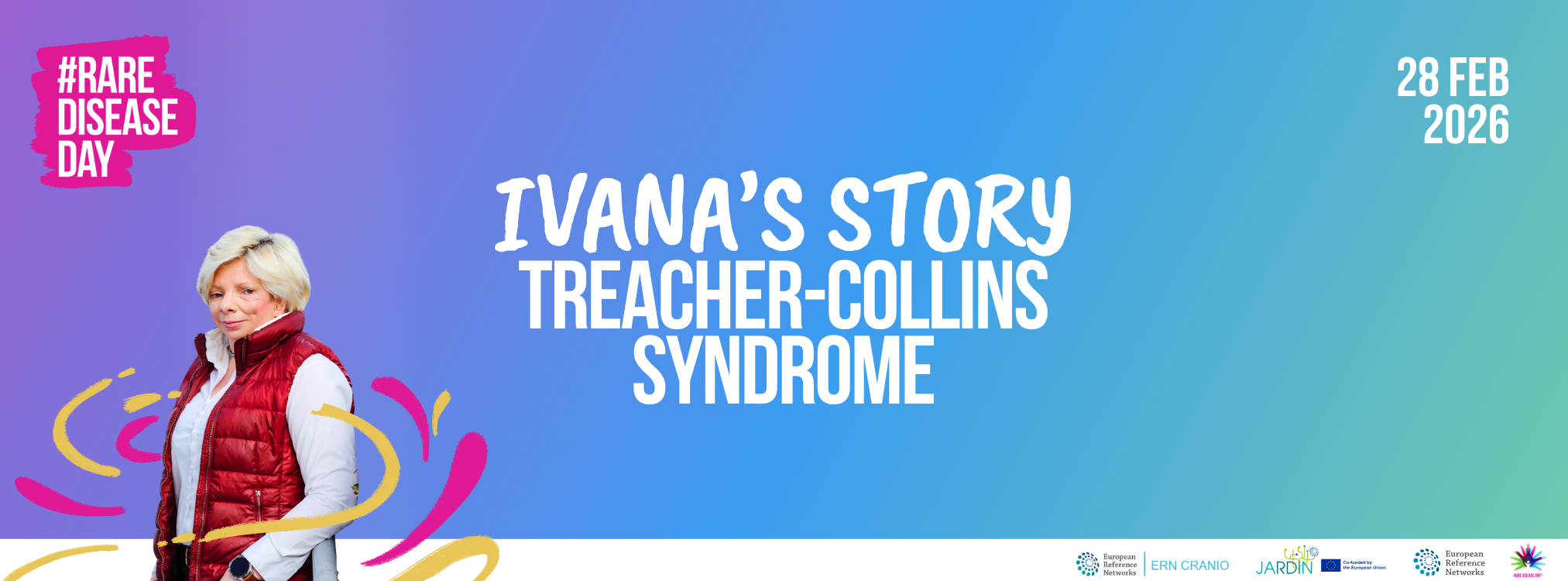
Nothing more matters – than understanding
A physician’s journey shaped by rare condition
Mark Twain once observed that the two most important days in a person’s life are the day you are born and the day you discover why.
My first important day was the day I was born with a rare craniofacial condition – Treacher-Collins syndrome.
It was not a choice I could make. I did not yet understand what “rare” meant, nor could I grasp the language of medicine. I could not have known how deeply that beginning would shape my relationship with my body, with others, and with the healthcare system that was meant to care for me.
Yet the body remembers. And so does life.
From an early age, I was a patient. I learned how to wait, how to listen, how to hope, and how to live with uncertainty. I learned what it means to be a “case” within a system that is often overstretched, fragmented, and constrained by time. Most importantly, I learned how much it matters when someone on the other side of the desk sees not only a diagnosis, but the person who lives with it every day.
Living with a rare condition teaches an early lesson: information is not always accessible, and when it is, it is often not written for those who need it most. Clinical guidelines exist, yet they are not always understandable. Treatment plans exist, yet they do not always form a coherent whole. Having to assemble your own story from scattered pieces can be quietly exhausting.
The second important day in my life was the day I discovered why I am here.
I chose to become a physician. Not in an effort to correct myself, but to understand the world in which I had grown up. I sought the knowledge I once lacked and the ability to stand on the other side of the system without losing the perspective shaped by lived experience.
When you are both a patient and a physician, you learn to listen differently. Not only to symptoms, but also to what remains unspoken.
Being both means continually crossing the boundary between two worlds: experience and expertise. At times, it feels as though Dr. Jekyll and Mr. Hyde are in conversation within me – not as a division, but as a dialogue, an effort to ensure that both voices are heard and respected. You come to understand how much a single, thoughtful explanation can matter, and how an honest “I know this is difficult” can fundamentally shape trust.
In my daily clinical work, I see a familiar pattern. Patients are rarely seeking miracles. They are seeking understanding. They are not demanding perfection, but reassurance that they are not just a number within the system. It is here that my personal experience of being a patient naturally intersects with my professional path.
My involvement with ERN CRANIO was not merely a formal role, but a natural continuation of my life journey. Through ERN CRANIO, I was given the opportunity to contribute to the development of professional guidelines that are also adapted for patients. Guidelines that do not diminish medical complexity, but translate it into language that can be read, understood, and meaningfully applied.
This is deeply important to me. When patients understand what is happening to them, they regain a sense of agency. And agency is something rare conditions often take away at a very early stage.
ERN CRANIO provided a space in which my experience was not regarded as “too personal,” but as valuable. A space where the patient voice is not added as an afterthought but integrated from the outset. A space where scientific rigor and human experience do not compete but strengthen one another.
I believe healthcare becomes stronger when it welcomes people who carry their own stories with them. Not as a burden, but as insight. For this reason, I wish to speak directly to colleagues in healthcare. We are often the first adult authority a child with a rare disease or condition encounters. Our words, our manner, and the way we explain medicine can remain with them far longer than we realize.
In those young patients, we should see more than diseases and conditions to be treated. We should see future students, doctors, nurses, researchers, and therapists. Children who already know medicine from the inside, who understand pain, uncertainty, resilience, and hope in ways no textbook can teach. If we recognize them, encourage them, and show them that their experience has value, we may inspire them to enter healthcare not only as patients, but as those who will one day shape it.
If I were asked today what the most important events in my life have been, my answer would be this: being born with a rare craniofacial condition and choosing to become a physician. The first gave me experience. The second gave that experience meaning. And ERN CRANIO helped me bring those two together into something that reaches beyond myself.
Forever trusting who we are… Nothing more matters because we are creating more meaningful and inclusive society.
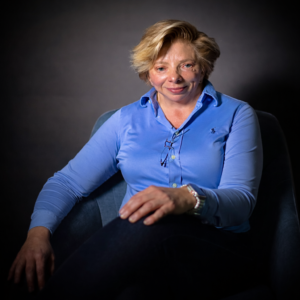
Razumijevanje kao temelj
Životni put liječnice oblikovan rijetkim prirođenim stanjem
Mark Twain jednom je primijetio da su dva najvažnija dana u životu čovjeka onaj kada se rodi i onaj kada shvati zašto je tu.
Moj prvi važan dan bio je dan kada sam se rodila s rijetkim razvojnim stanjem struktura lica – Treacher Collinsovim sindromom.
To nije bio izbor. Nisam još razumjela što znači „rijetko“, nisam poznavala jezik medicine, niti sam mogla naslutiti koliko će taj početak oblikovati moj odnos prema vlastitom tijelu, prema drugima i prema zdravstvenom sustavu koji je trebao brinuti o meni.
No tijelo pamti. I život pamti.
Od najranije dobi bila sam pacijentica. Naučila sam čekati, slušati, nadati se i živjeti s neizvjesnošću. Naučila sam što znači biti slučaj u sustavu koji je često prenapregnut, rascjepkan i vremenski ograničen. I, što je najvažnije, naučila sam koliko znači kada netko s druge strane stola ne vidi samo dijagnozu, nego osobu koja s tom dijagnozom živi svaki dan.
Život s rijetkim prirođenim razvojnim stanjem rano vas nauči: informacije nisu uvijek dostupne, a kada jesu, često nisu pisane za one kojima su najpotrebnije – pacijentu. Smjernice postoje, ali nisu uvijek razumljive. Planovi liječenja postoje, ali često ne čine smislenu cjelinu. A potreba da sami sastavljate vlastitu priču od rasutih dijelova može biti potiho iscrpljujuća na duge staze.
Drugi važan dan u mom životu bio je onaj kada sam shvatila što želim raditi svaki dan – od tog trenutka, do zadnjeg daha.
Odabrala sam postati liječnica.
Ne kako bih „ispravila“ sebe, nego kako bih razumjela svijet u kojem sam odrasla. Tražila sam znanje koje mi je nekoć nedostajalo i mogućnost da budem s druge strane sustava, bez gubitka perspektive oblikovane vlastitim iskustvom.
Kada ste istovremeno i pacijent i stručnjak, učite slušati i razgovarati – stvarati partnerski odnos. Ne nastojite razumjeti samo znakove i simptome, nego i neizgovorenu misao i riječ. Biti oboje znači stalno živjeti na razmeđi dva svijeta: između iskustva i stručnosti.
Ponekad imam osjećaj da u meni razgovaraju Dr. Jekyll i gosp. Hyde – ne kao podjela, nego kao dijalog, pokušaj da se oba glasa čuju i poštuju. Tada shvatite koliko jedna promišljena rečenica može značiti i kako iskreno izgovoreno: – „Znam da Vam je ovo teško“ može temeljno promijeniti i utvrditi obostrano povjerenje i uvažavanje.
U svakodnevnom kliničkom radu često susrećem isti obrazac. Pacijenti rijetko traže čuda. Oni traže razumijevanje. Ne zahtijevaju savršenstvo, nego sigurnost da nisu izgubljeni u sustavu. Upravo se tu moje osobno iskustvo sa mojim rijetkim sindromom prirodno isprepliće s mojim profesionalnim putem.
Moja suradnja sa ERN CRANIO nije samo formalna uloga, nego prirodan nastavak I životnog i profesionalnog razvojnog puta. Kroz suradnju sa ERN CRANIO, dobila sam priliku sudjelovati u razvoju stručnih smjernica koje su istodobno prilagođene pacijentima. Smjernica koje ne pojednostavljuju medicinsku složenost, nego je prevode na jezik koji se može čitati, razumjeti i stvarno primijeniti.
To mi je izrazito važno. Kada pacijenti razumiju što im se događa, vraća im se osjećaj vlastite snage i kontrole. Upravo je kontrola nešto što rijetke bolesti često oduzimaju pacijentima vrlo rano.
ERN CRANIO je stvorio prostor u kojem moje iskustvo nije smatrano „previše osobnim“, nego vrijednim. Prostor u kojem se glas pacijenata ne dodaje naknadno, nego je uključen od samog početka. Prostor u kojem znanstvena preciznost i ljudsko iskustvo ne stoje u suprotnosti, nego se međusobno osnažuju.
Vjerujem da zdravstveni sustav postaje snažniji kada u njega ulaze ljudi koji nose vlastite priče. Ne kao teret, nego kao drugu perspektivu. Zato se želim izravno obratiti kolegicama i kolegama u zdravstvu. Mi smo često prvi odrasli autoritet s kojim se dijete s rijetkom bolešću susretne. Naše riječi, naš pristup i način na koji objašnjavamo medicinu mogu u njima ostati mnogo dulje nego što mislimo.
U tim mladim pacijentima trebali bismo vidjeti više od stanja koja treba liječiti. Trebali bismo vidjeti buduće studente, liječnike, medicinske sestre, istraživače i terapeute. Djecu koja već sada poznaju medicinu iznutra, koja razumiju bol, neizvjesnost, otpornost i nadu na način koji nijedan udžbenik ne može prenijeti. Ako ih prepoznamo, ohrabrimo i pokažemo im da njihovo iskustvo ima vrijednost, možemo ih nadahnuti da jednoga dana uđu u široko područje medicine, ne samo kao pacijenti, nego i kao oni koji će ga oblikovati.
Kad bi me danas netko pitao koji su bili najvažniji događaji u mom životu, odgovorila bih ovako: rođenje s rijetkom prirođenom anomalijom lica i odluka da postanem liječnica. Prvi mi je dao iskustvo. Drugi je tom iskustvu dao smisao. A ERN CRANIO mi je pomogao da to dvoje spojim u nešto što nadilazi mene samu.
Jer, zauvijek vjerujući u ono što jesmo – stvaramo bolje i inkluzivnije društvo u kojem živimo.


